An excerpt from A Tale Told by an Idiot — Full of sound and fury, signifying nothing. A tragicomical memoir in progress.
Disorganised Organised Organisations
Having spent years working across prisons, mental health and corporate life, I began noticing some rather peculiar similarities between these institutions. And, strangely enough, organised crime.
For starters, they all had a code. Sort of.
Prisons: The inmate code: Don’t be a dog. Don’t rat on anyone. Simple.
Mental health: The patient code: Find yourself a box in the DSM-5, preferably one you fit into.
Corporate: A code of conduct, which nobody has read since induction, except the bits that say it’s always someone else’s fault, and being organised is optional.
Organised crime: A code of loyalty: Omertà, the code of silence. And as the name suggests, be organised.
In prison, the guy who snitches ends up with a shank from nobody. In the mental health system, the patient who questions too much gets an increased dose. In corporate, the employee who questions too much gets a bag of money and a non-disclosure agreement. In organised crime, the guy who knows too much ends up in the river wearing concrete boots.
Different methods. Same outcome: silence.
In prison, the prisoners work in the laundry. In mental health, pharmaceutical companies launder their research through conferences in exotic locations, occasionally forgetting to mention the side effects. Corporate launders money through bonuses, creative writing in annual reports, and offshore investments. Organised crime launders money through a pizza shop.
Organised crime says, “It’s not personal, it’s business.” So does corporate, except the values poster in the lift says, “We care.” In mental health, they say, “We care, but we don’t tolerate aggressive behaviour,” even though they’ve made you wait two weeks to be seen. Prisoners say, “I didn’t do it.” Just like my kids.
In prisons and the psych ward, the doors are locked from the outside. Your time is involuntary. In corporate, you swipe yourself in. You volunteered. In all three, someone tells you where you sit or sleep. Organised criminals come and go as they please.
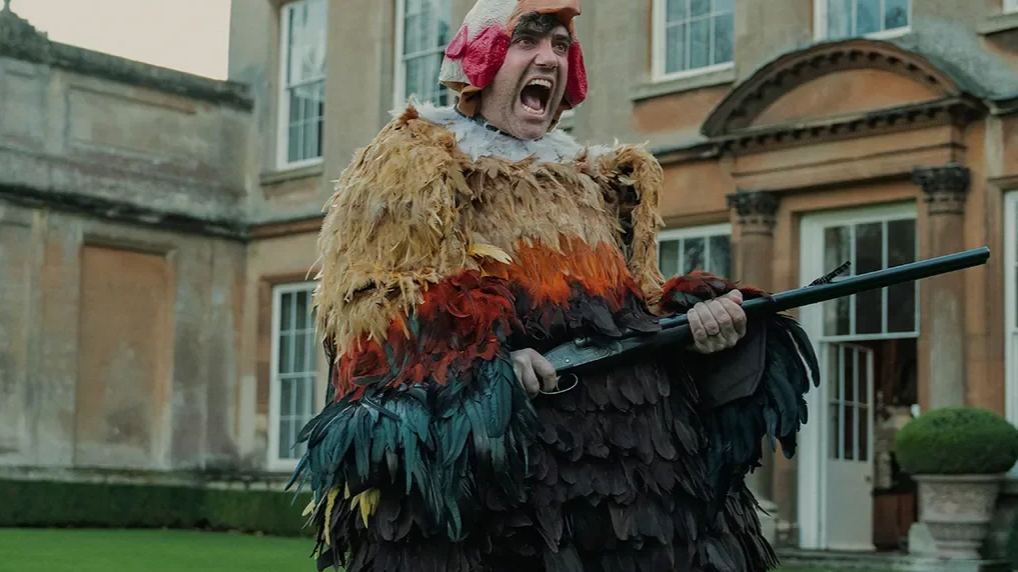
Of the four, only one met the criteria for a free-range chicken.
In the psych ward, they give you medication to get through the day. In prison, they offer parole in twelve months’ time. In corporate, they promise you four weeks of annual leave and a motivational speaker every twelve months. In organised crime, they don’t need incentives. They do it for the love of it.
In the psych ward, patients wear an ID band. Prisoners wear tracksuits. Corporate workers wear suits. Organised criminals wear whatever they want. Pinstriped suit optional.
The psych ward has group therapy. Prisoners attend anger management and line up for methadone. Corporate provides wellness tips via the intranet, a fruit bowl, and an EAP number to call someone who cares. Organised criminals organise their own wellness. They value independence, loyalty, flexible working arrangements and a healthy work-life balance.
Psych ward patients don't get to drive. Prisoners get driven, in the back of a van. Corporate workers can lease a car to save on tax. Organised criminals get a car for free. No salary packaging required. And should things go pear-shaped, there's always witness protection. A new identity, a new address, and a fresh start. Try getting that through your corporate Employee Assistance Program.
In prison, having lost your mind is a prerequisite, or a consequence. In the psych ward, you've lost your mind, you're trying to find it, or you're out of it, and the staff aren’t far behind. In corporate, you're trying not to lose your mind, or you don't realise you've lost it already. As for organised crime, compared with the other three, you're apparently of sound mind.
Funny thing is, of the four, only one seems to offer the best perks.
Providing you're not working for a disorganised organised organisation. Ideally, one with a good legal department.
Suits optional.
Sorry — you'll need to buy the book when it arrives to find out how this story plays out.
Written by; Jeremy Limpens